Velvet House - Chapter One - The Origins
Retirement, and Restaurant as a Product (RaaP!?):
“Retire by 40.” My dad said when I was 8 or 9 years old. When he was eventually 40, he was robbed, and had to restart.
The phrase though, infiltrated my consciousness through repetition, the way all seductive lies do. Spoken by parents, echoed by their peers, reinforced at gatherings until it calcified into “the coolest ambition ever”. By adolescence, I had internalized it completely, the ultimate achievement, they said. Freedom, they promised.
At thirty-seven, I executed what appeared to be the perfect endgame. I exited my hotel business in Mexico and elegantly stepped away. Clean exit. Victory secured.
The next morning revealed the trap.
I woke to an absence that felt powerfully physical. No challenges demanded my attention. No work required my energy. Everything that had governed my days, that had given them meaning, had vanished. As I sipped my second shot of mezcal at sunset, gazing not at the Caribbean but at the vast Mayan rainforest, a dangerous question crystallized: Why do anything at all?
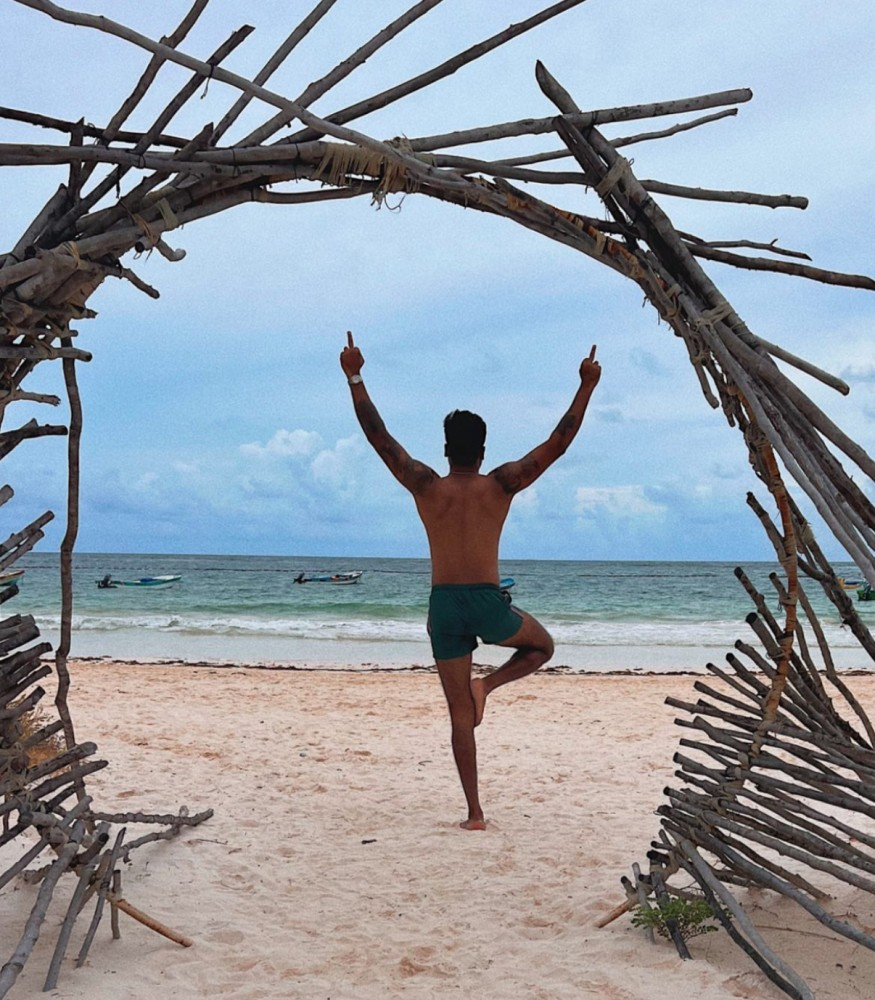 Retired at 37
This is the moment most men never reach. Or reaching it, they mistake it for enlightenment rather than seeing it for what it is. It is death.
I tested the retirement hypothesis with the discipline of a scientist for a few weeks. Pre-dawn beach walks with Romo, my miniature schnauzer at the time. Coffee, exactly twenty minutes post sunrise over the Caribbean. Training my body. Elaborate meals. Good friends. Then… nothing. For days, I wondered if this was paradise. Then my nature reasserted itself with violence.
Ideas reappeared, not as fantasies like before, but as demands. A restaurant and social club stripped of pretense (I’d engineered on paper to scale)? Hotels again? Oaxaca City, San Miguel de Allende - colonial beauties largely intact. Todos Santos was raw, vulnerable, and open to possibility. Almond farming? A seaplane route from Cancun to Tulum, bypassing le taxi cartels entirely?
But, beneath the surface pulsed something deeper, something I had always pursued without naming it: space itself. Physical environments that arrest thought, create silence, force presence. The magic one finds in books.
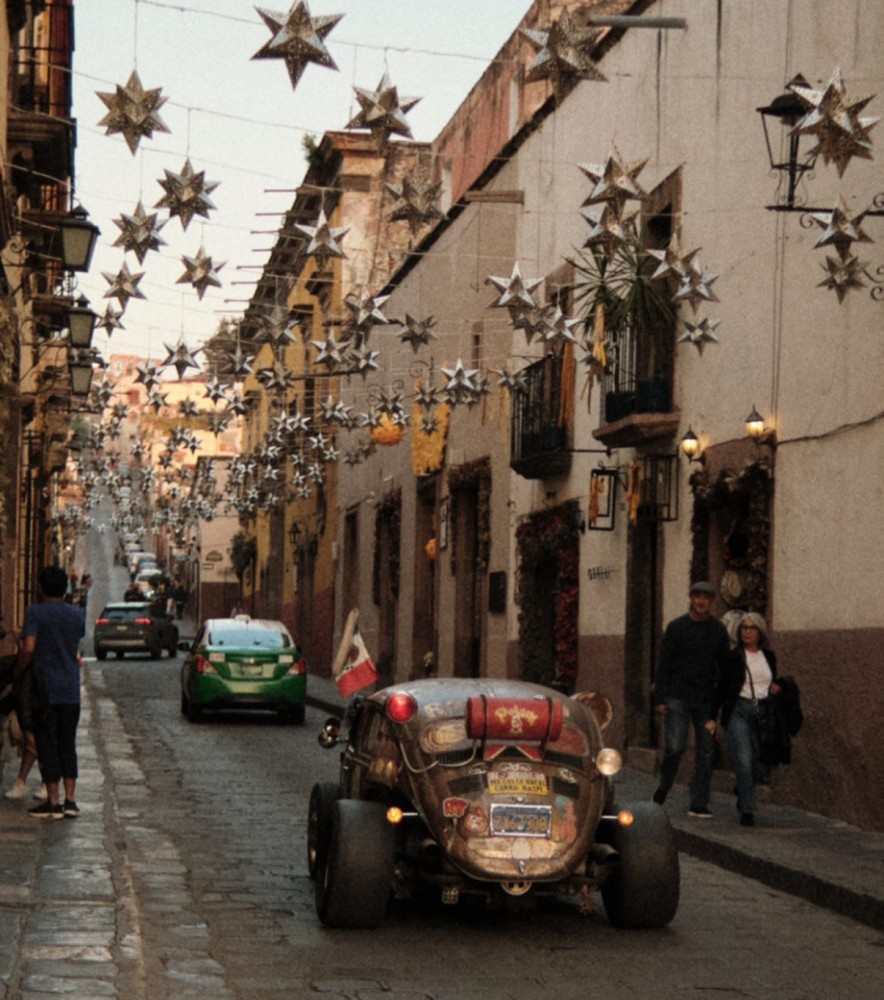 San Miguel is Mexico’s Tuscany
I fled success the way others flee failure. Five months of nomadic displacement: Oaxaca, San Miguel, Costa Rica’s volcanic black beaches where I surfed after a long time, a Kevin Macallisteresque winter in Toronto, rural Thailand’s winding roads, Kashmir’s Dal Lake where my daughters and I inhabited a houseboat suspended in another century. Trichy, where I’d spent my formative years, twenty years absent, yet nothing had changed. That stability charmed me in a world drunk on disruption. One hundred thirty nights in hotels. Two weeks at my parents’ house (I haven’t returned since; I suspect I won’t). The rest consumed by flight.
The Pull of Blood
Throughout my journey, hospitality pulled at me again, like gravity I couldn’t escape. I realized why - because it lives in my DNA.
I descend from erstwhile Indian nobility. That world carried its share of rot that repulsed me - the pomposity, the obsolete hierarchies, the calcified rituals. But, beneath the decay, I’d witnessed something pure: hospitality as sacrament.
My grandfather hosted the extended family for the harvest festival every year. One hundred fifty guests descended from near and far - four generations converging, twenty to thirty staying overnight. In that somewhat controlled chaos, I observed two primitives that would later shape everything I built.
First: singularity of standard. My grandparents offered guests their finest - not separate “guest” accommodations, not performative generosity. The bedding, the meals, the attention - identical to what they used themselves, or better. No hierarchy of experience. No compromise. The guest received what the host deemed worthy of his own use. This wasn’t democracy. It was something more pure and therefore, rigorous: integrity of offering.
Second: joy as methodology. Ten to fifteen women - siblings, cousins, aunts, mothers of each other, orchestrated seven to nine course meals with surgical precision. What struck me wasn’t the logistics, impressive as they were. It was how they executed. They weren’t performing duty. They were artists in collaboration, finding pleasure in the act itself.
The kitchen operated like a Renaissance workshop, multiple masters working in concert, each contributing expertise, the whole transcending individual capability. They laughed. They argued. They tasted and adjusted and created in real-time. I watched them transform raw ingredients into experiences that people would remember forty years later. Not through grim determination or martyrdom, but through the simple revolutionary act of enjoying their work.
Most people miss this. They see hospitality as transaction - service rendered for payment received. Or worse, as obligation - duty performed to maintain social standing.
What I witnessed was different. Hospitality as an ability, an expression. An act that reveals character rather than conceals it. My grandparents weren’t performing generosity. They were being generous, which is an entirely different phenomenon.
To me, this distinction matters the most. Performance can be learned, mimicked, and scaled. But genuine hospitality, the kind that transforms spaces and elevates lives, emerges from a deeper source. It requires that one offer not what one thinks people want, but what oneself would find worthy.
That’s the inheritance I carried. Not the titles or the crumbling estates, but this: the understanding that hospitality, done right, isn’t service. It is creation. And creation, approached with integrity and joy, becomes its own justification.
In Oaxaca City, I identified two colonial properties within a UNESCO World Heritage site. The owners had abandoned them for modern comfort. One family had started renovations, then ran out of capital. I inspected both with forensic attention and made offers. One family refused, their price was delusional. The other agreed, but attached a condition I hadn’t anticipated: devout Catholics, they would not permit alcohol.
I walked away.
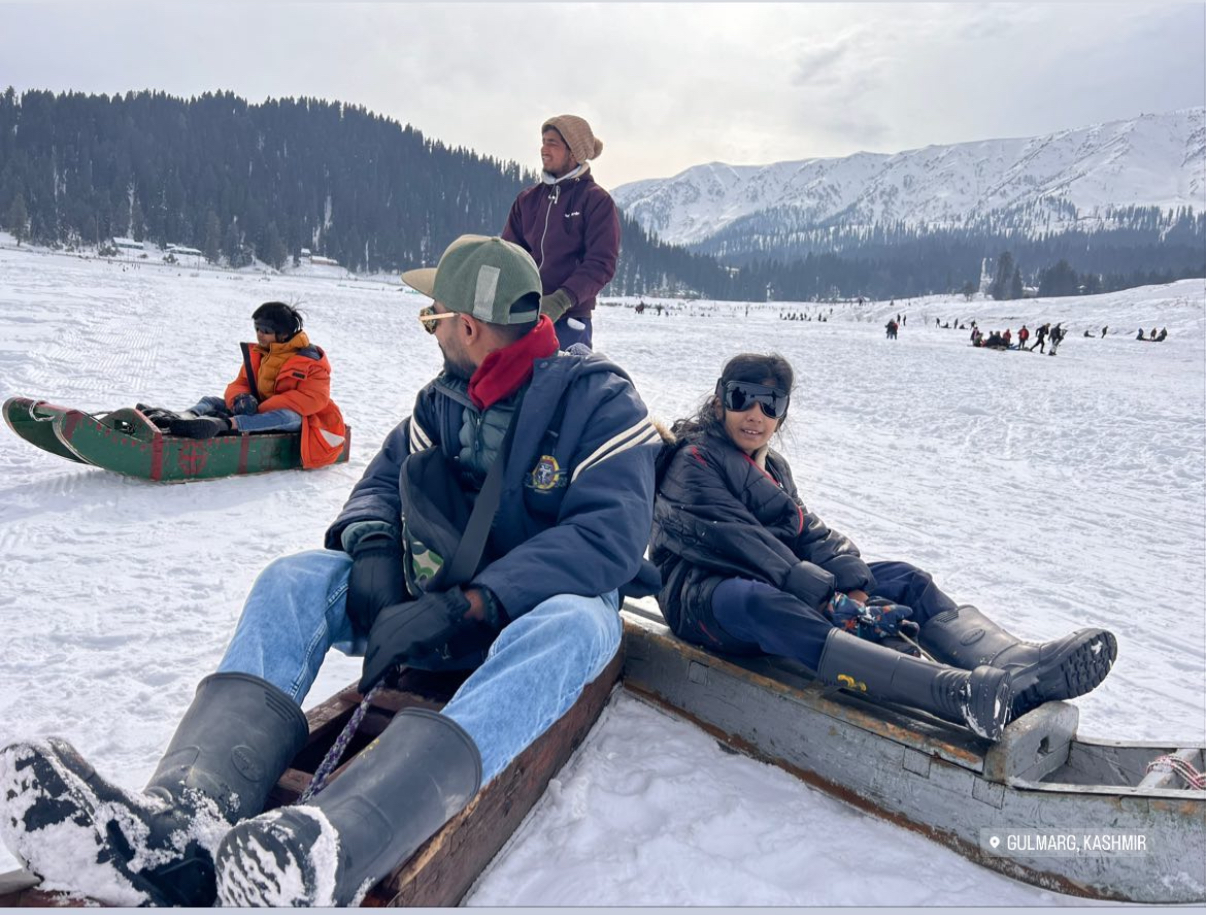 Kashmiri hospitality is The Oberoi minus the name
The Little Blue House:
Meanwhile, my Tulum lease expired. Scrolling through mediocre options, I encountered something unexpected: a peculiar blue house, and dismissed it. Weeks later, it reappeared, the persistence of destiny maybe. Romo and I visited. An engineer had built it, lived there eight years with his young family, and moved to a bigger city.
What arrested me though, what felt almost predetermined, was its uncanny resemblance to what I’d sketched for the social club concept.
The house had no walls.
The first floor opened completely, living space, kitchen, dining area - surrounded by orange coconut trees, facing a pool where banana trees danced. No barriers. No doors. Form following function with ruthless purity. I wrote to the owners and articulated my vision. They agreed.
I had never worked in a restaurant. I’d been in bars and nightclubs with kitchens while DJing through college - chaos management, not creation. Since then, I rarely enjoyed dining out. Top 40 music blasting while servers parade sparklers isn’t a meal; it’s for people who’ve forgotten how to eat.
A proper meal for me: good ingredients, prepared with intention (a little playfulness and love don’t hurt here), and consumed in silence with complete presence. Not the food itself, but the moment. Occasionally, rarely, I’d want company, and sparse conversation that mattered rather than that which filled space.
For fifteen years, I’d cooked my own food, treating nutrition with the obsessive precision engineers bring to tolerances. No seed oils. No bread. No sugar, except indulgences once or twice monthly. Everything from animals raised humanely, on pasture, organically. Restaurant food represented a compromise I couldn’t stomach.
Then there’s Indian cuisine, a tradition never mentioned alongside Italian or Thai or any other in discussions of culinary greatness. Our own fault. Lazy, fake, sorry ass restaurateurs. Menus bloated with choices that are an autists worst nightmare, and worse - fake. Nobody makes chicken vindaloo or Madras mutton curry at home. Indian mothers work their own alchemy, recipes shifting every street like India’s 1600+ linguistic dialects.
 Playspace
I wanted to create the world’s best Indian restaurant by serving nutritious food in space where people would linger - the way they lingered in the Enlightenment salons. Same for DOGS - we made dog food!
What followed was madness. My finest work, because I fell in love with work. It didnt matter what that work was. Freedom!
I built, launched, and operated an Indian restaurant in Mexico. Alone. Five months to create a menu from nothing, design custom furniture with architectural precision, cover walls with my own photography - I was shooting fashion, beauty, and boudoir professionally then, though I’ve since moved toward architecture and street work, chasing the interplay between space and meaning. Then I hired. At peak, eight employees worked in harmony, but not for long.
Less than a year in, with our 5.0 Google rating unblemished, I destroyed the Velvet House.
Like Howard Roark demolished Cortlandt when others corrupted his vision, I dismantled it swiftly - before integrity was negotiated away.
These photographs are my work. All shot on a Fuji XT5 + 23mm 1.4.
The beginning, when possibility remained pure -
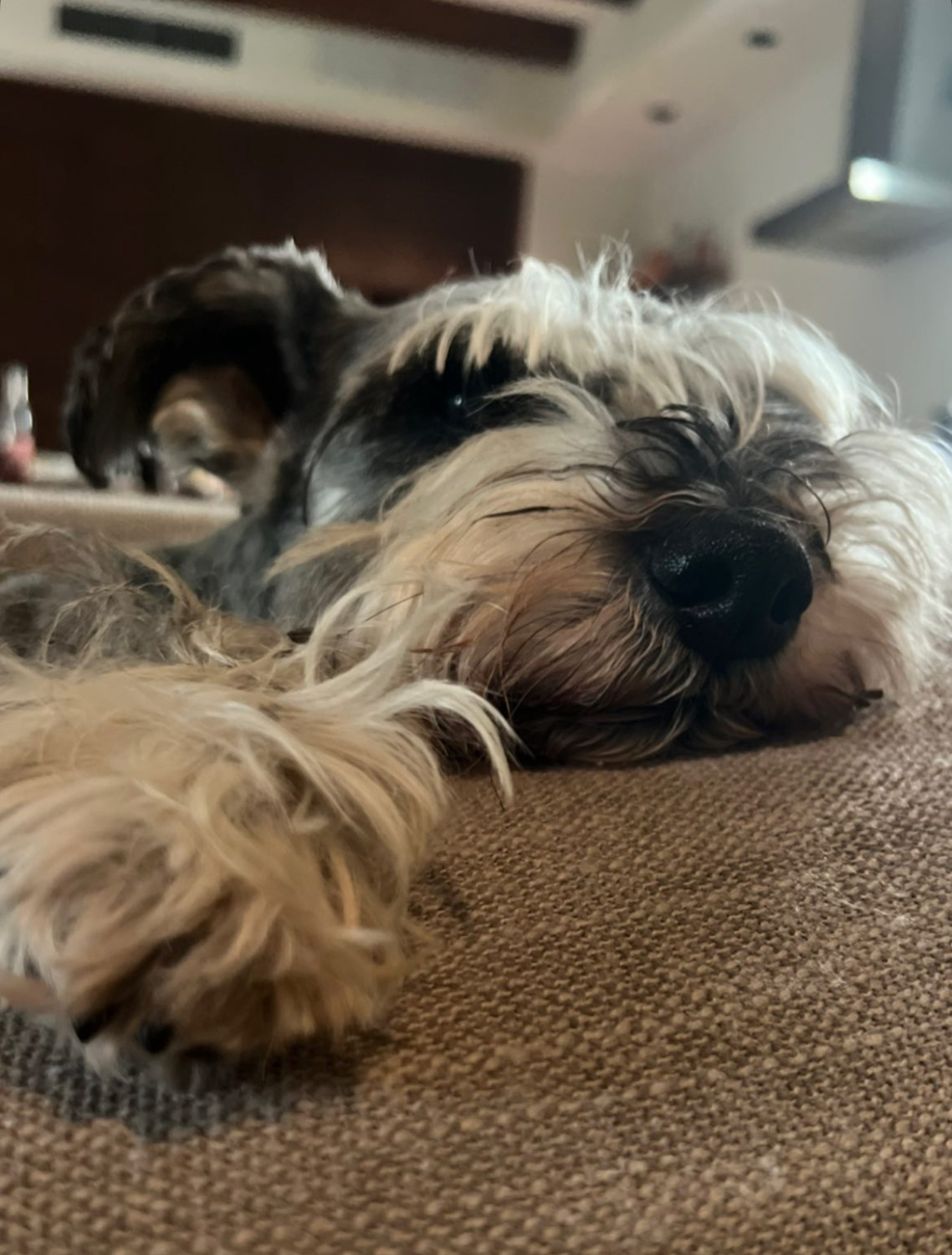 Romo, the soul of Velvet House
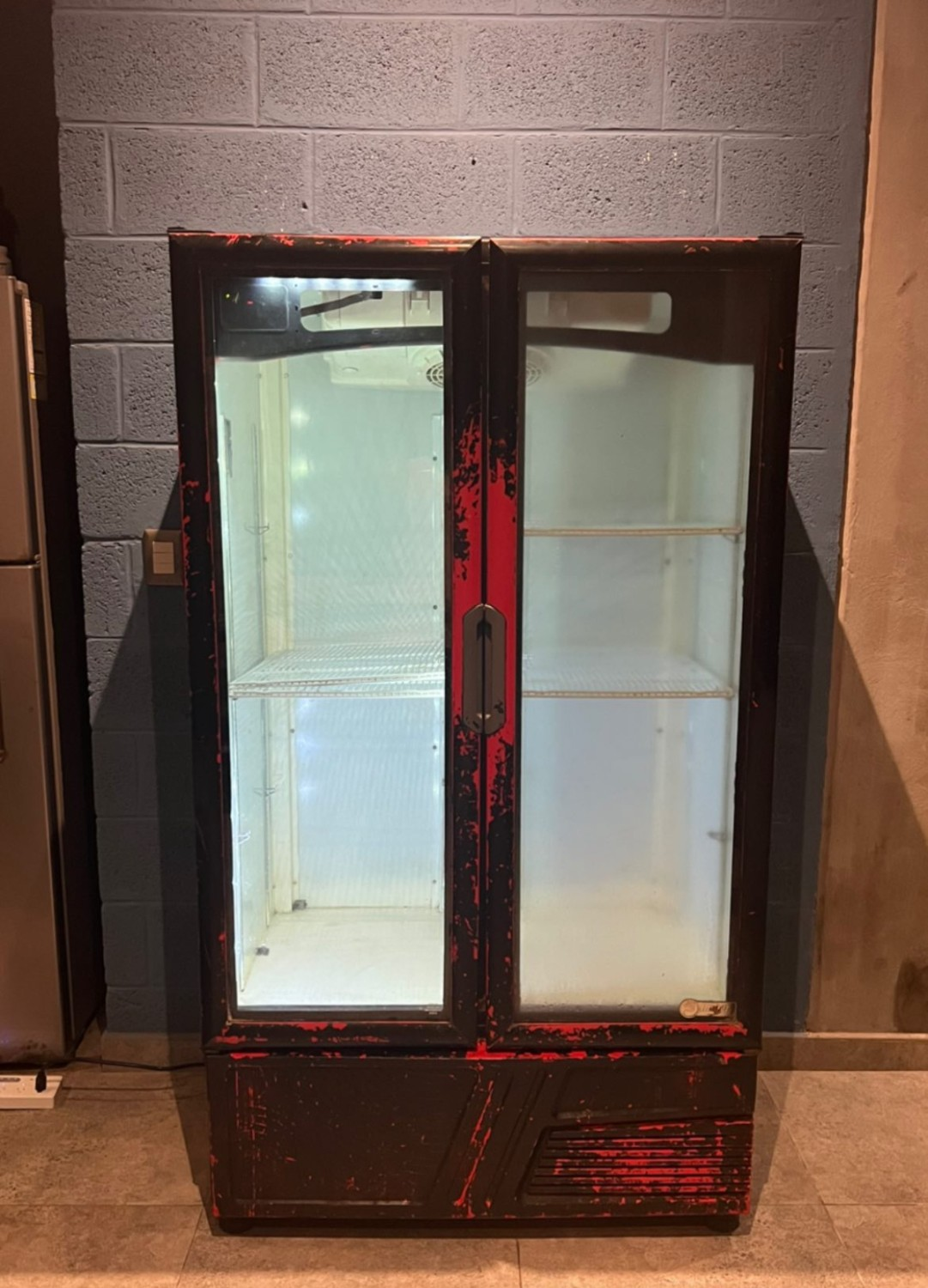 The Deadpool Fridge was the first, and my favorite purchase. Listed for $500, acquired for $270 on Marketplace.
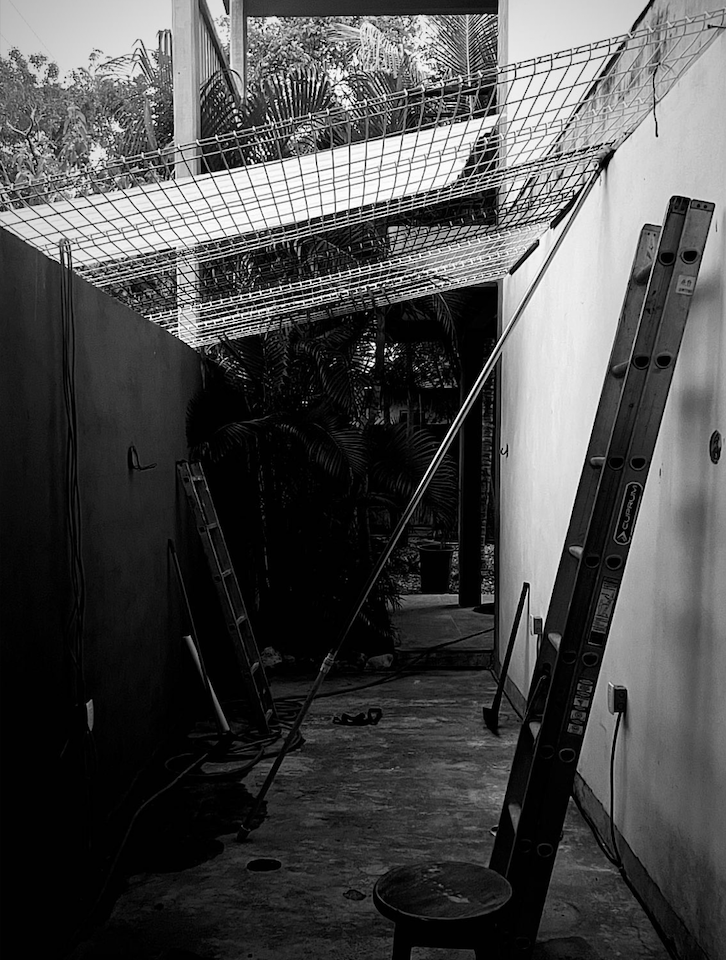 Kitchen #1, would later become a lounge/ workspace for patrons.
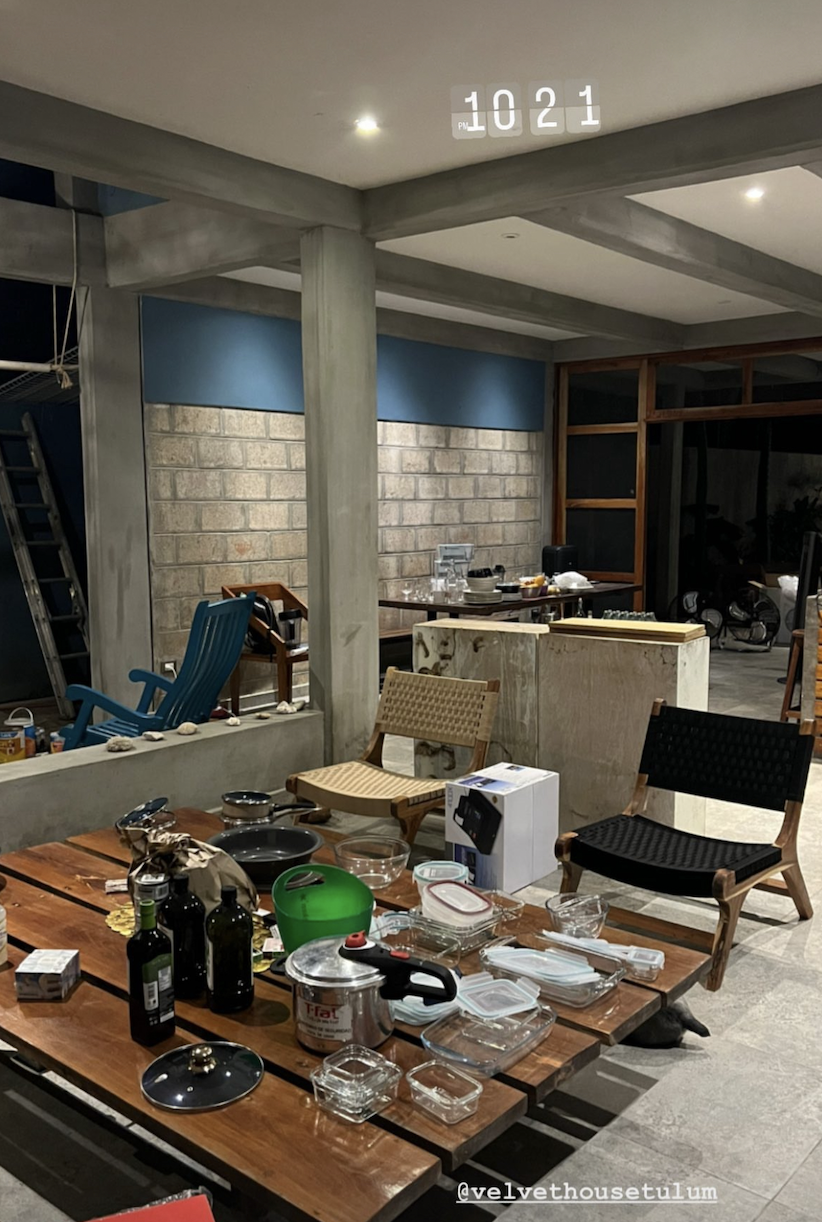 Day before opening, post a Costco roundtrip to Cancun. 2221 hrs.
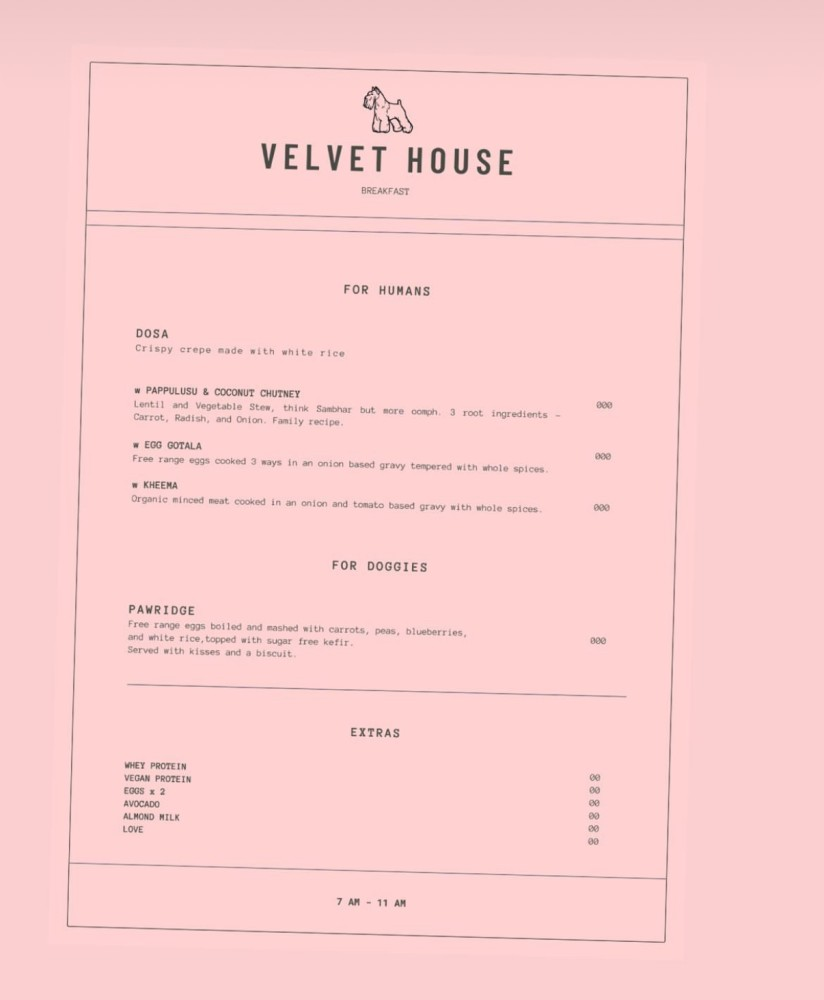 The first menu. Everyday had a new menu. Plus, dog food.
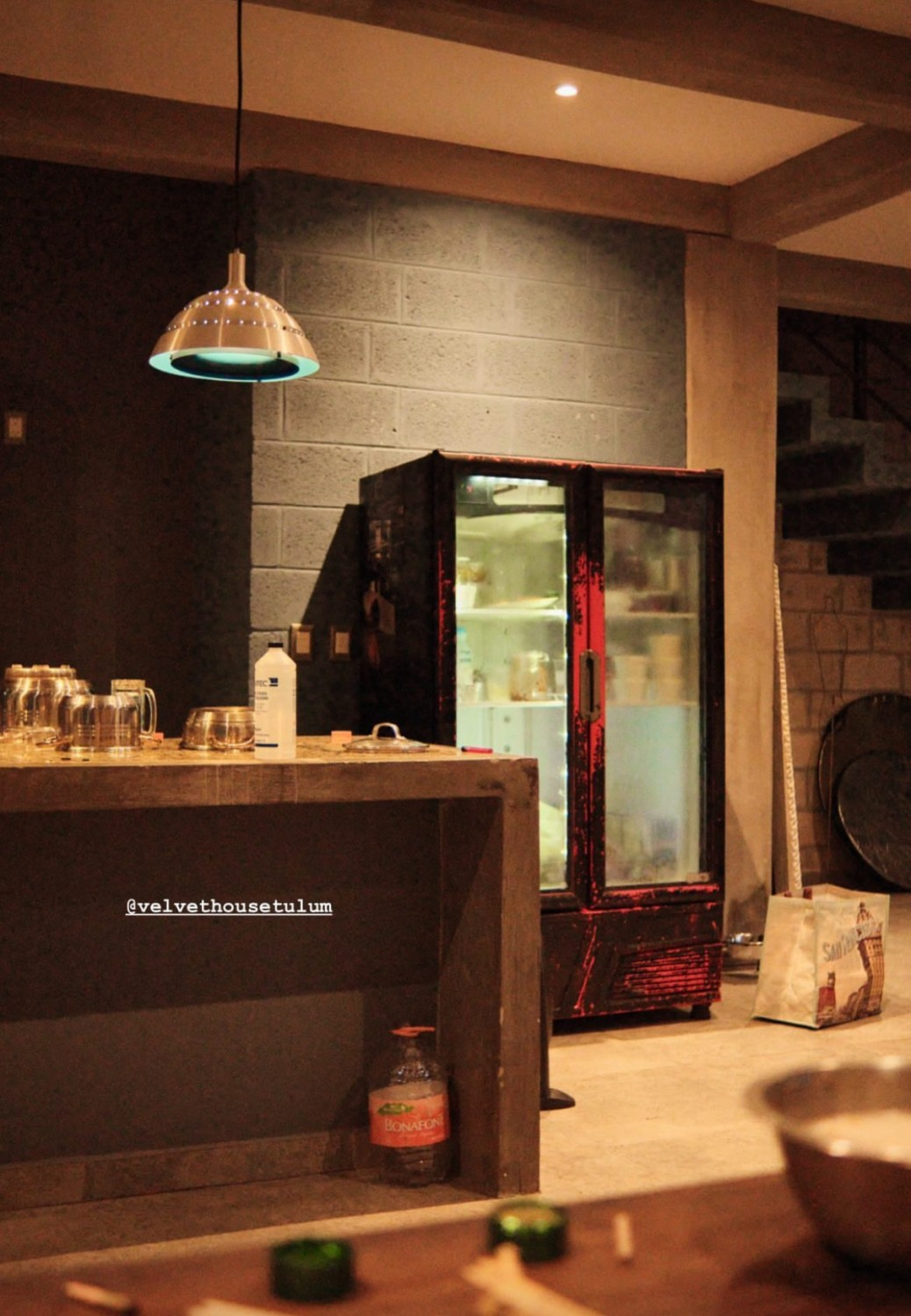 Day of opening, 0432 hrs, no sleep, not done cleaning. Deadpool fridge in all it’s glory.
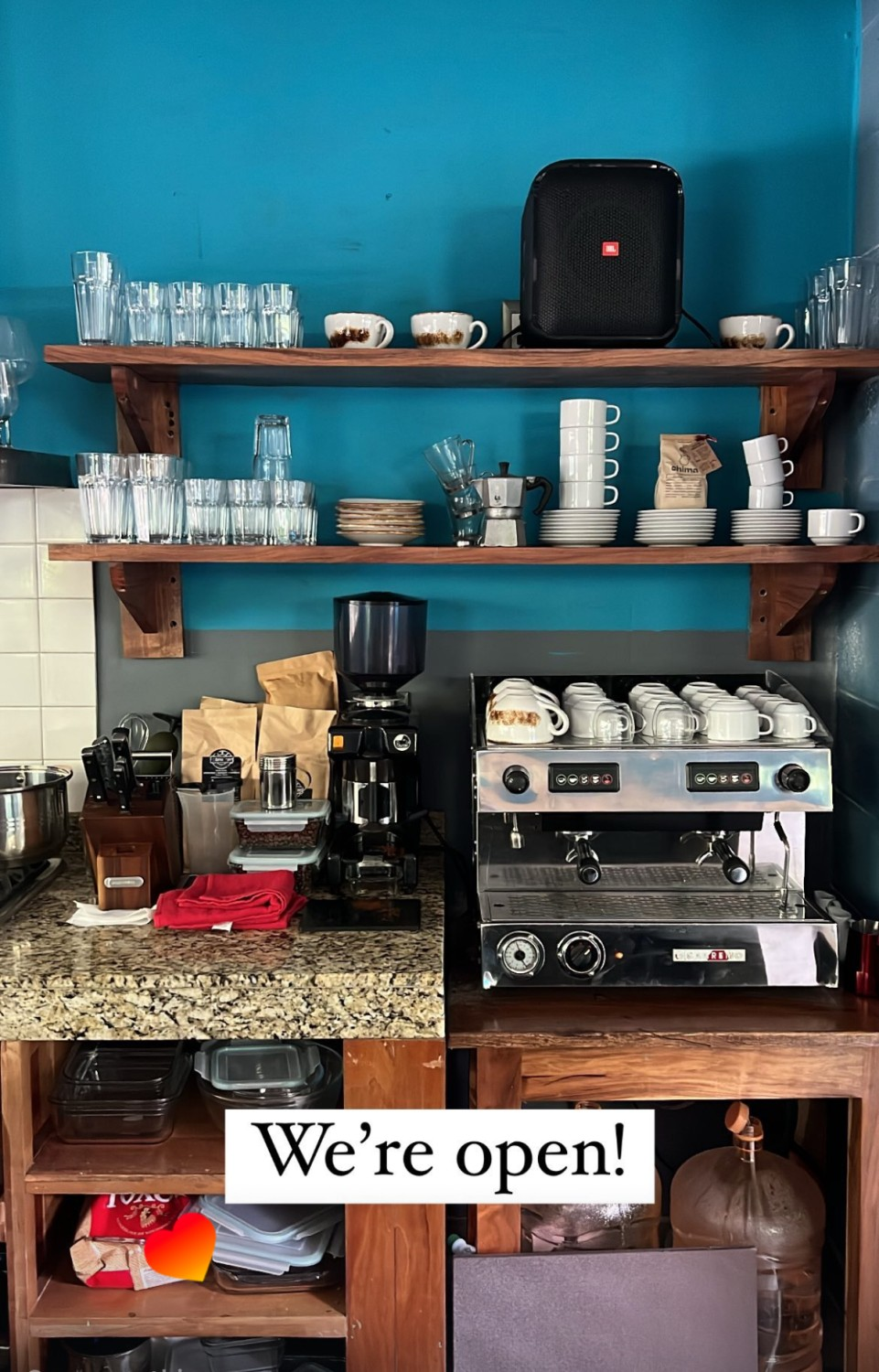 1000 hrs, June 22, 2023. Chef x Barista x Cleaner x Host x Owner.